South Boston
from the Point to the bridge.
South Boston has produced more new condo inventory over the last fifteen years than any other Boston neighborhood, and it sits beside a housing stock of bowfronts and triple-deckers that has been there for a century. Getting the neighborhood right means knowing which of those two markets a given block belongs to.
The other thing about Southie is that the water is on three sides of it, and how far you are from it, and from which Red Line stop, moves price more than square footage does. That is a walking-around knowledge problem, not a spreadsheet problem.
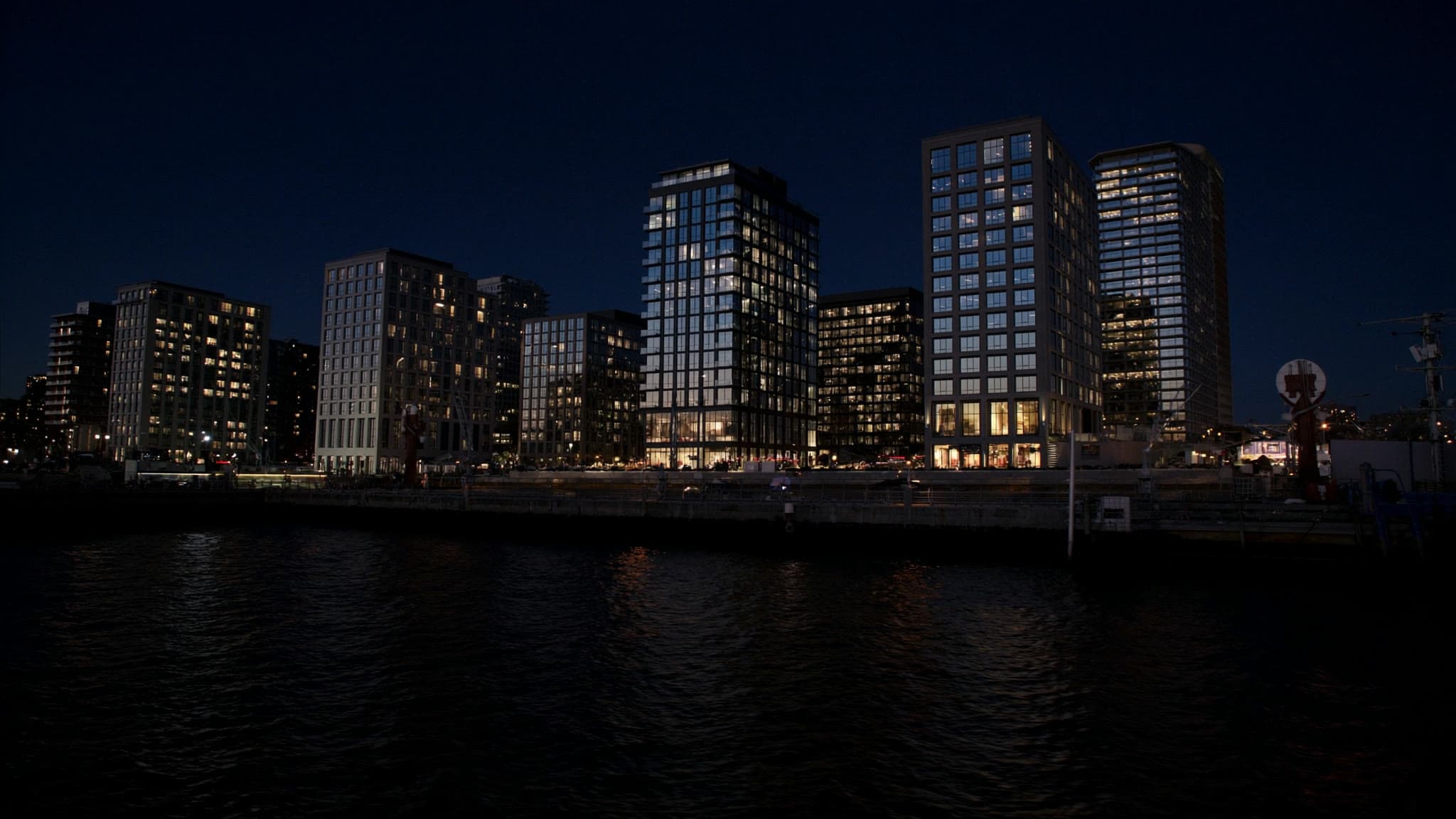
Three miles of waterfront, two stops out.
South Boston has the most new-construction condo inventory in the city, which means developer contracts, punch lists, and vendor relationships matter as much as price. I bring the trusted-contractor bench before, during, and after the sale.
Homes for sale in South Boston
What is on the market
right now.
Current listings from the MLS, on the map, as they change. Save a search and the new ones come to you. When one looks right, send it my way and I will tell you what I know about the building and the block.
Listing search and map provided by RealScout
A second read
Found one?
Send it to me.
Paste the link from any site. I will read it the way I read them for my clients: the price history, the building, the fees, and what the photos politely leave out. One reply, from me, usually the same day.
The Ends
Southie runs east to west from City Point to the bridge, and the market changes materially along the way.
City Point
The eastern end, surrounded by water on three sides. Bowfront rowhouses and frame two- and three-families, plus a steady run of gut renovations and small new-construction projects. Castle Island, Pleasure Bay, and the M Street and Carson beaches are all at the doorstep, and that proximity is durably priced in.
Red Line: Broadway (bus connection); MBTA bus along Broadway
Telegraph Hill & Dorchester Heights
The high ground in the middle of the neighborhood, with the Dorchester Heights monument at the top. Bowfronts and frame multi-families on a steep grid, with downtown and harbor views from the upper blocks, the best views in the neighborhood that are not directly on the water.
Red Line: Broadway
East & West Broadway
The commercial spine that runs the length of the neighborhood, with the densest housing on and around it. Triple-deckers and rowhouses converted unit by unit, plus most of the mid-rise new construction of the last decade concentrated along West Broadway and Dorchester Avenue.
Red Line: Broadway
Andrew Square & The Lower End
The western end toward Dorchester Avenue and the expressway. The most accessible entry numbers in South Boston, a Red Line stop of its own, more intact multi-family stock, and a continuing pipeline of new development along the Dorchester Avenue corridor.
Red Line: Andrew
Fort Point & The Seaport Edge
Converted brick-and-beam warehouse lofts along the Fort Point Channel, plus the new high-rise inventory that runs into the Seaport. Timber-frame loft conversions with genuine industrial character on one side, glass towers with full amenity packages on the other. Neither prices off the rest of South Boston.
Silver Line: Courthouse, World Trade Center; Red Line: South Station
The Waterfront & Marine Park
The harborwalk edge running from the Seaport around to Pleasure Bay, including newer condo development with water frontage. Views and walkability to both the beach and downtown are the draw, at the top of the neighborhood's numbers.
Silver Line: World Trade Center; Red Line: Broadway
New construction, a converted rowhouse, or a loft. Price them separately.
The new-construction condo is South Boston's signature product of the last fifteen years: mid-rise buildings, open plans, roof decks, garage or tandem parking, and modest condo fees relative to a full-service tower. The variables that matter are the developer's track record, the quality of the envelope and the windows, whether parking is deeded, and how the building will show once the next one goes up across the street.
Behind that sits the older neighborhood: bowfront rowhouses and wood-frame triple-deckers, most converted to condominiums, with the usual questions about separated systems, reserve funding, and roof age. City Point and Telegraph Hill hold the best of this stock, and a well-renovated bowfront with parking is one of the more durable things to own in the neighborhood.
Fort Point is a third category entirely: brick-and-beam loft conversions with exposed timber and high ceilings, in buildings with real industrial history. They trade on character and floor plate, and their comparables are other lofts, not the mid-rises up Broadway.
Two Red Line stops, the Silver Line, and a walk to downtown.
Broadway and Andrew are the neighborhood's two Red Line stops, both a few minutes from South Station and downtown. The practical constraint is that the eastern end of the neighborhood, City Point especially, is a real walk or a bus ride from either, which is exactly why the numbers move as you go east.
The Silver Line runs through Fort Point and the Seaport with a direct connection to South Station and to Logan, which serves the western and waterfront edges of the neighborhood well.
For drivers, the expressway and the Ted Williams Tunnel are immediate, and Southie is one of the few Boston neighborhoods where a meaningful share of the housing conveys off-street parking. Where it does not, resident permit parking is the reality and it is worth understanding block by block before you commit.
South Boston Questions
New construction or a renovated bowfront in South Boston?
New construction gets you a warranty, an efficient envelope, usually parking, and a low-maintenance start, but you are exposed to whatever gets built next door. A renovated bowfront in City Point or on Telegraph Hill gets you character, better bones, and a scarcer product, with more of the building's future in your hands. Both are good buys at the right number; they are not the same buy.
How much does the walk to the Red Line matter here?
A great deal, and it is the main reason City Point trades differently from the blocks around Broadway station. If a short train commute is the priority, you shop the middle and west of the neighborhood. If the beach and the Point are the priority, you accept the bus or the walk and the pricing reflects that trade.
Is Fort Point part of South Boston or the Seaport?
Geographically it is South Boston; in practice it trades as its own market. The brick-and-beam loft conversions along the channel have their own buyer pool and their own comparables, and pricing one against a Broadway mid-rise will mislead you in both directions.
What should I check on South Boston new construction?
The developer's completed projects, the quality of windows and the building envelope, whether parking is deeded or assigned, the condo budget and reserve for a building with no assessment history, and what is entitled or under construction on the surrounding parcels. That last one is the most commonly skipped and the most consequential.
Nearby
East Boston
The other harbor neighborhood pairing new waterfront construction with older frame stock.
Open →Back Bay
Where Southie buyers look when the address matters more than the square footage and the parking.
Open →Jamaica Plain
Comparable triple-decker conversions with green space instead of waterfront.
Open →Thinking about South Boston? Bring me the block you're looking at and I'll tell you what I actually know about it.
Updated August 2026 · Zachary J. LaCorte · MA License #9589622 · Chinatti Realty Group · General information, not legal or tax advice