East Boston
across the harbor.
East Boston is the only place in the city where you can buy a harbor-facing condo with a full downtown skyline view and a frame two-family on a hill four blocks away, and both are the same neighborhood. That spread is why I pay attention to it.
Eastie is also the shortest ride into downtown from anywhere I work: one stop under the harbor on the Blue Line, or a ferry across it. The market here has been rewriting itself along the waterfront for a decade while the interior hills have moved much more slowly, and the two need to be underwritten separately.
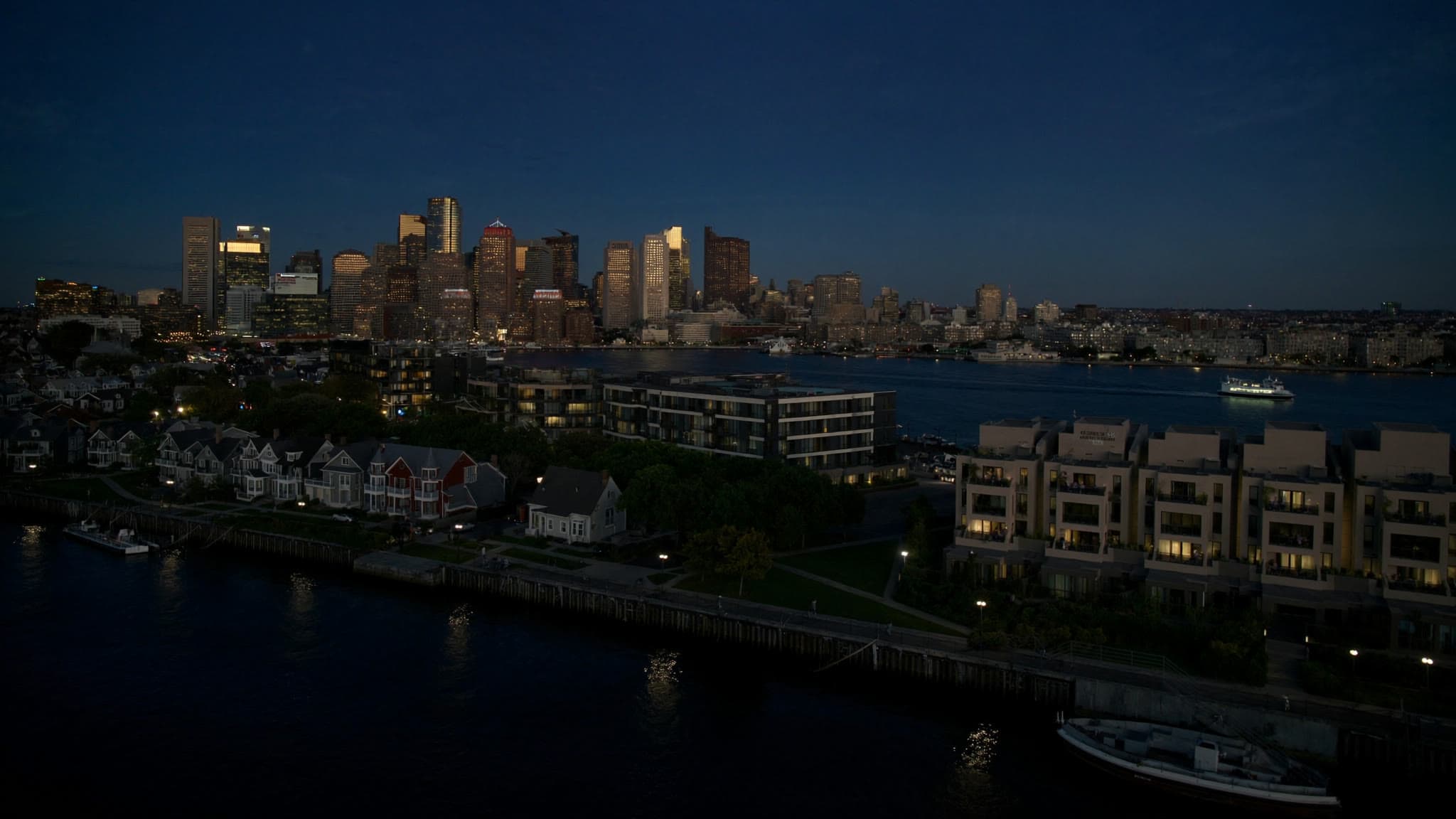
The skyline is the comp.
New waterfront construction beside hundred-year-old frame multi-families means East Boston appraisals need real analysis, not averages. I audit the numbers, from the sales data going in to the title report and settlement sheet coming out, so the view premium you pay is one the market will pay you back.
Homes for sale in East Boston
What is on the market
right now.
Current listings from the MLS, on the map, as they change. Save a search and the new ones come to you. When one looks right, send it my way and I will tell you what I know about the building and the block.
Listing search and map provided by RealScout
A second read
Found one?
Send it to me.
Paste the link from any site. I will read it the way I read them for my clients: the price history, the building, the fees, and what the photos politely leave out. One reply, from me, usually the same day.
The Hills & The Waterfront
East Boston splits cleanly between new construction on the water and older frame stock on the hills behind it. Different products, different comparables, different buyers.
Jeffries Point
The southern point facing the harbor and the airport: a mix of restored frame two- and three-families on the hill and new waterfront condo construction along the Marginal Street and Piers Park edge. The strongest skyline views in the neighborhood and the shortest walk to Maverick.
Blue Line: Maverick; ferry: Boston Harbor Shipyard
Maverick Square
The transit centre of the neighborhood, one Blue Line stop from downtown. Dense frame multi-families and older brick buildings, plus newer mid-rise development around the station. Where the shortest commute in East Boston meets its most accessible entry numbers.
Blue Line: Maverick
Eagle Hill
The rise north of Maverick and the neighborhood's deepest concentration of period frame stock: Italianate and Queen Anne two- and three-families, many with original detail, on a steep street grid with harbor and skyline views from the top. Much of it is still intact multi-family rather than converted.
Blue Line: Maverick, Airport
Orient Heights
The northeastern hill, with more single-family and two-family stock, larger lots, and its own Blue Line stop. Constitution Beach and Belle Isle Marsh sit at the edges. The most house-oriented corner of East Boston and the slowest to turn over.
Blue Line: Orient Heights, Suffolk Downs
Day Square & Harbor View
The interior of the neighborhood along Bennington Street: frame two- and three-families on a regular grid, the least touched by waterfront development, and the most straightforward multi-family underwriting in East Boston.
Blue Line: Airport, Wood Island
The Waterfront: Clippership Wharf & East Pier
Purpose-built elevator condo buildings along the harbor with garage parking, amenity packages, harborwalk frontage, and unobstructed downtown views. This is a new-construction market and it competes with Seaport and Charlestown, not with the hills behind it.
Blue Line: Maverick; ferry to Long Wharf
Suffolk Downs
The largest development site in the city, spanning the East Boston and Revere line, delivering in phases over years. Worth understanding as context for anything bought nearby. New supply on this scale shapes the comparables for the blocks around it.
Blue Line: Suffolk Downs, Beachmont
Two markets that happen to share a peninsula.
The waterfront product is new elevator construction: concrete and steel, garage parking, professional management, harborwalk access, and condo fees that reflect all of it. Underwrite it like new construction anywhere: what the fee covers, what the reserve looks like, what parking is worth separately, and what the next building delivered nearby will do to your comparables.
The hills are the older neighborhood: wood-frame two- and three-family houses from roughly 1880 to 1920, some beautifully restored, many still held as intact multi-family. Eagle Hill in particular has period detail on par with anywhere in the city at numbers well below the neighborhoods it resembles.
The two do not price off each other, and one of the more common mistakes I see is a buyer touring both in the same afternoon and trying to reconcile them. They are separate decisions with separate math: a view and a service building on one side, square footage and control of the asset on the other.
One stop under the harbor.
The Blue Line runs the length of the neighborhood, with stops at Maverick, Airport, Wood Island, Orient Heights, and Suffolk Downs, and Maverick to State Street is a single stop under the harbor. It is, measured honestly, the fastest commute into downtown from any residential neighborhood in Boston.
The ferry runs from the Boston Harbor Shipyard across to Long Wharf, which is both a real commuting option and the reason the waterfront buildings carry the premium they do.
Logan is inside the neighborhood, which is a genuine convenience if you travel and a genuine consideration on the flight-path blocks. I will tell you which streets those are rather than let you find out after closing. For drivers, the Ted Williams and Sumner/Callahan tunnels and Route 1A put both downtown and the North Shore within easy reach.
East Boston Questions
Is East Boston waterfront new construction worth it over a two-family on the hill?
They answer different questions. The waterfront buys you a view, an elevator, parking, and no maintenance responsibility, at a fee that reflects it. A two-family on Eagle Hill buys you square footage, period detail, and control of the building, plus rental income if you want it. I run both against your holding period, because the right answer flips depending on how long you intend to own.
How bad is the airport noise?
It varies materially street to street depending on the runway configuration, and it is one of the few things about a neighborhood that a listing will never tell you. I walk the specific blocks you are considering at the times of day you would actually be home, and I will tell you plainly when a street is worse than the listing suggests.
What is the commute from East Boston to downtown?
From Maverick it is one Blue Line stop to State Street, call it five minutes on the train, plus your walk to the station. The ferry from the Shipyard to Long Wharf is a comparable trip. It is the shortest downtown commute of any Boston residential neighborhood.
What should I know about Suffolk Downs before buying nearby?
That it is being built in phases over a long horizon and it is large enough to influence comparables for the surrounding blocks. That is not a reason to avoid the area. It is a reason to understand which phase is delivering when, and to price accordingly rather than off today's snapshot alone.
Nearby
Revere
The next stop out on the Blue Line, sharing the Suffolk Downs redevelopment and the same waterfront trade.
Open →South Boston
The other harbor-facing neighborhood pairing new waterfront construction with older frame stock.
Open →Somerville
Comparable frame multi-family stock and conversion questions, on the other side of the city.
Open →Thinking about East Boston? Bring me the block you're looking at and I'll tell you what I actually know about it.
Updated August 2026 · Zachary J. LaCorte · MA License #9589622 · Chinatti Realty Group · General information, not legal or tax advice