Back Bay
brownstone by brownstone.
Back Bay is filled land on a planned grid, which makes it the most legible neighborhood in Boston to shop and the least forgiving one to price. The cross streets run alphabetically from Arlington to Hereford, and the value moves in a predictable way across them and between the five residential streets, if you know how to read it.
I spent years working in Back Bay before I sold real estate in it. What that gives you is the street-level version: which side of Marlborough gets the light, what a garden level really costs you, and which buildings have the elevator that the listing implies but doesn't have.
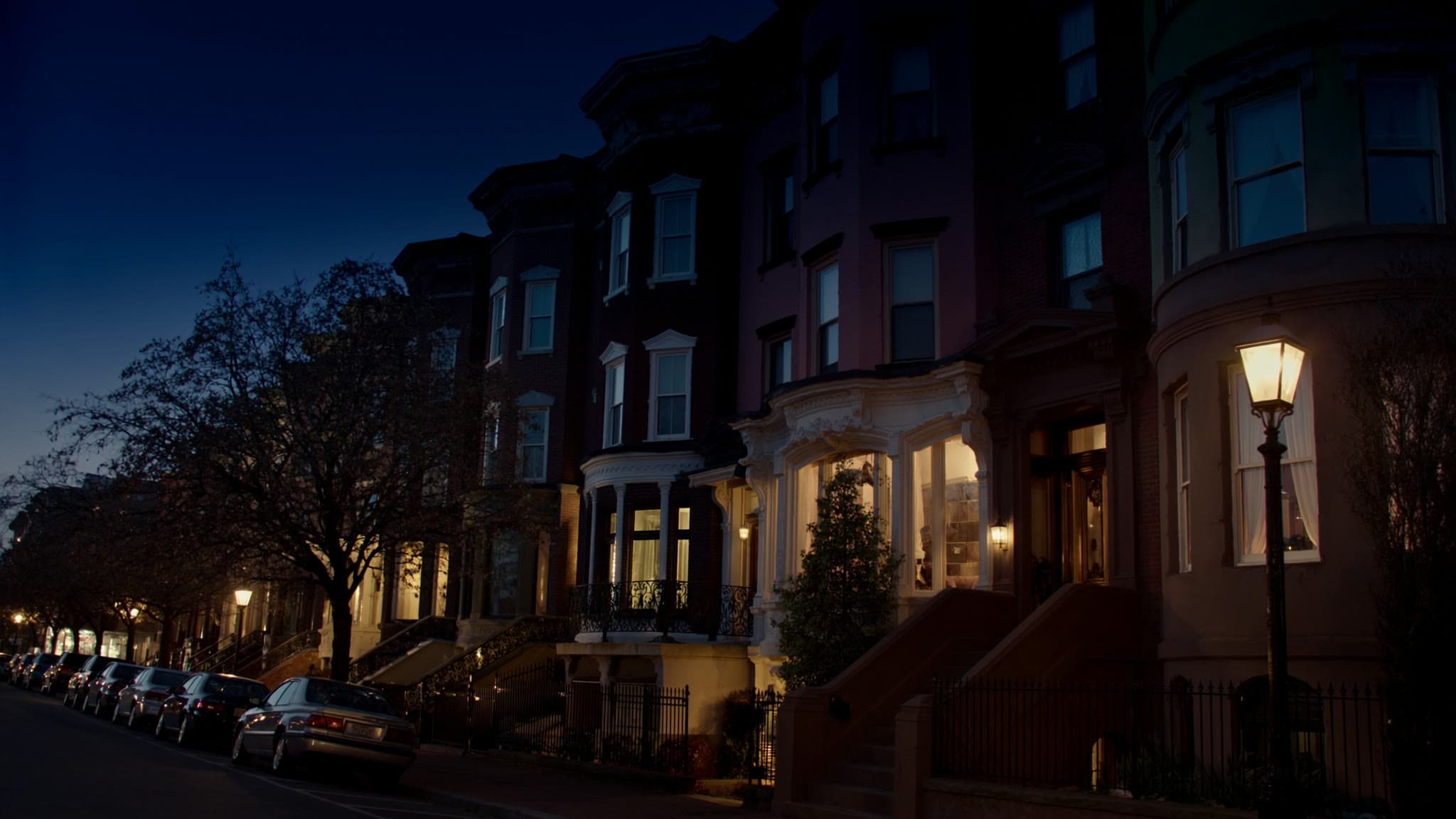
The most legible grid in Boston.
Alphabetical streets, bowfront blocks, and the city's deepest full-service tower inventory. Here the win is in the terms: financing packages, condo docs, insurance review, and a professionally presented offer, all handled, so a legendary address closes like a routine one.
Homes for sale in Back Bay
What is on the market
right now.
Current listings from the MLS, on the map, as they change. Save a search and the new ones come to you. When one looks right, send it my way and I will tell you what I know about the building and the block.
Listing search and map provided by RealScout
A second read
Found one?
Send it to me.
Paste the link from any site. I will read it the way I read them for my clients: the price history, the building, the fees, and what the photos politely leave out. One reply, from me, usually the same day.
The Streets
In Back Bay the street is the market. Five residential streets running parallel to the river, each with its own character and its own numbers.
Commonwealth Avenue
The grand boulevard, with the Comm Ave Mall down the centre. The largest and most substantial townhouses in the neighborhood, most divided into floor-through and duplex condominiums with high ceilings and full bay windows. The widest street in the neighborhood means the best light on both sides.
Green Line: Arlington, Copley, Hynes
Marlborough Street
Narrower, and to a lot of buyers the most appealing street in the neighborhood: an unbroken run of Victorian bowfronts with the lowest through-traffic in Back Bay. Predominantly floor-through condominiums in four- and five-story townhouses. The sunny side matters here more than anywhere.
Green Line: Arlington, Copley, Hynes
Beacon Street
The river side. Units on the water side look over the Esplanade and the Charles, which is the neighborhood's most durable view premium, and the river-facing floor-throughs are among the most sought-after units in Boston. The street itself carries more traffic than Marlborough.
Green Line: Arlington, Hynes
Newbury Street
The retail spine. Residential inventory sits above the shops: a mix of floor-throughs, duplexes, and smaller units, with the trade being unmatched walkability against street-level activity that runs late. Excellent for a pied-à-terre, worth thinking about carefully as a primary residence.
Green Line: Arlington, Copley, Hynes
Boylston Street & The Prudential Corridor
Where Back Bay's full-service high-rise inventory concentrates: elevator buildings with concierge service, garage parking, and amenity packages, plus direct interior access to the Prudential Center. A completely different product from the brownstones two blocks north, and it should be compared against Seaport and Midtown.
Green Line: Prudential, Hynes; Orange Line: Back Bay
The Alphabet: Arlington to Hereford
The cross streets run in order: Arlington, Berkeley, Clarendon, Dartmouth, Exeter, Fairfield, Gloucester, Hereford. The Arlington end sits against the Public Garden and carries the highest numbers; the Hereford end runs toward Massachusetts Avenue and Kenmore. Knowing where a listing sits in that sequence tells you most of what you need before you walk in.
Green Line: Arlington, Copley, Hynes
A floor of a Victorian townhouse, or a unit in a service building.
Most of Back Bay is Victorian brownstone and brick townhouses built on filled land between roughly 1860 and 1900, nearly all of them long since divided into condominiums. The standard unit is a floor-through (one full floor of a townhouse) or a duplex combining two. Ceiling height, bay windows, working fireplaces, and original detail are the things that separate one from another at the same square footage.
The details that decide the deal are unglamorous: whether the building has an elevator or five flights, whether there is deeded or rented parking anywhere nearby, what the association's reserve and assessment history look like, and where the unit sits in the stack. A garden-level unit and a second-floor unit in the same building are different purchases, and the discount on the former is not always as large as it should be.
The Boylston and Prudential corridor is the other half of the neighborhood: full-service high-rise condominiums with concierge, garage parking, and amenities, carrying fees that reflect the service level. Buyers frequently tour both and should be running two separate sets of numbers.
Three Green Line stops, the Orange Line, and the commuter rail.
The Green Line runs beneath Boylston Street with stops at Arlington, Copley, Hynes Convention Center, and Prudential, putting essentially the entire neighborhood within a short walk of the train.
Back Bay station carries the Orange Line plus Amtrak and the Framingham/Worcester, Franklin, and Providence commuter rail lines. It is the best regional rail position of any Boston residential neighborhood, and a real factor for anyone commuting out of the city rather than into it.
Everything else is walking. The Public Garden sits at the Arlington end, the Esplanade runs the length of the river side, and the Financial District is a fifteen-minute walk from most of the neighborhood. Parking is the genuine constraint: deeded spaces trade separately and at real numbers, and any Back Bay purchase should establish the parking situation before the offer, not after.
Back Bay Questions
Which Back Bay street should I be looking at?
Marlborough for the least traffic and the classic bowfront run, Commonwealth for the largest units and the Mall, Beacon for river views on the water side, Newbury if walkability outweighs street-level activity, and Boylston if you want a full-service building rather than a townhouse floor. The cross street matters too: Arlington-end and Hereford-end are meaningfully different markets.
How much does parking matter in Back Bay?
More than almost anything else at the margin. Deeded parking is scarce, it trades separately, and it carries real value on resale. Establish before you write an offer whether the unit conveys a space, whether one can be rented in the neighborhood, and what that costs. It changes the true monthly number substantially.
Is a garden-level unit a bad buy?
Not necessarily. It is the most accessible way into the neighborhood and often has direct street entry and outdoor space. But you are trading light and, in older buildings, you need to look harder at moisture history and at how the association has handled it. The discount should reflect that, and sometimes it doesn't.
Brownstone floor-through or full-service high-rise?
A floor-through gives you period detail, ceiling height, and character, usually with stairs and a smaller association. A high-rise gives you an elevator, a concierge, garage parking, and no maintenance responsibility, at a higher monthly fee. I price both against your actual holding period and your tolerance for stairs, which is a more honest filter than most buyers expect.
Nearby
South Boston
Where Back Bay buyers look when square footage and parking start to outweigh the address.
Open →Cambridge
The other side of the river, with comparable walkability and a very different building stock.
Open →East Boston
The harbor-facing alternative for a full-service building with a view at a different number.
Open →Thinking about Back Bay? Bring me the block you're looking at and I'll tell you what I actually know about it.
Updated August 2026 · Zachary J. LaCorte · MA License #9589622 · Chinatti Realty Group · General information, not legal or tax advice